Bag Sewing Thread for Jute, Rice and Flour Bags: Picking the Right One
A split seam on a 50kg bag is not a small problem. Product on the warehouse floor, a rejected delivery, and a customer who now checks every pallet. Most of the time the bag is fine and the thread was wrong for the material.
Jute, woven polypropylene and paper all behave differently under a needle. Here is what each one needs.
Jute and Hessian Bags
Jute is thick, coarse and abrasive. The fibre saws at thread as the bag flexes in handling, and a jute sack that holds 50kg of coffee or grain puts real load on the seam every time it is lifted.
Use a heavy count – 10/4, 10/5 or 12/5 spun polyester. The extra ply gives the abrasion resistance jute demands. Some mills still use cotton on jute because the fibres grip each other well, and that works, but polyester lasts longer in humid storage and does not rot.
Needle size matters here more than on any other bag type. Too fine and the needle deflects off the coarse weave and skips stitches. Most jute closing runs on a size 25 or 26 needle.
Rice Bags
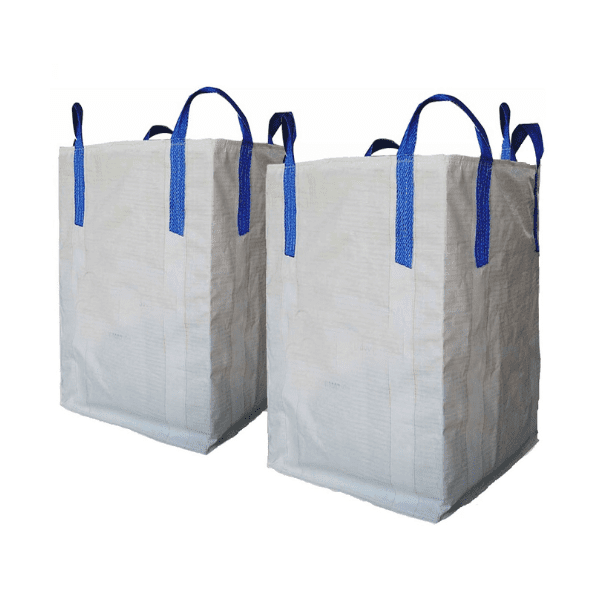
Rice usually ships in woven polypropylene, sometimes with a laminated outer layer. PP woven is smooth and slippery, so the issue is not abrasion – it is the stitch holding position in the weave.
Standard 12/4 spun polyester handles 25kg and 50kg rice bags well. Where rice bags go wrong is the stitch line placement: too close to the edge and the weave unravels past the stitching under load. Keep the seam at least 15mm from the bag edge and fold the mouth once before stitching if the bag material allows.
For rice mills running high-speed pedestal closers, 20/6 runs cooler through the needle and reduces breaks at speed.
Flour and Paper Bags
Paper is the one case where cotton still genuinely competes with polyester. The hairier cotton fibre grips paper fibres better and the stitch is less likely to pull through. Poly-cotton blends give most of that grip with better strength.
Flour bags are usually multiwall paper, and the seam has to close through several plies without tearing them. Use 12/4 in poly-cotton or cotton, and keep needle penetration force low – a blunt needle punches rather than pierces and perforates the paper into a tear line.
If the flour bag has a PE inner liner, the thread must pass through the liner too. Check that the stitch is not creating a moisture path into the product – some operations use a tape-over-stitch closure for exactly this reason.
Quick Reference
| Bag type | Thread | Count | Notes |
| Jute / hessian | Spun polyester | 10/4, 10/5, 12/5 | Heavy ply for abrasion; needle size 25-26 |
| PP woven (rice, feed) | Spun polyester | 12/4 standard, 20/6 high speed | Keep seam 15mm from edge |
| Paper / multiwall (flour) | Cotton or poly-cotton | 12/4 | Sharp needle; avoid perforating plies |
| Cement, heavy 50kg | Spun polyester | 12/5 | Move up a ply before blaming the bag |
| Laminated PP | Spun polyester | 12/4 or 20/6 | Watch needle heat on laminate |
The Thing Most People Get Wrong
When seams fail, the thread gets blamed and replaced, and often the failure continues. Three checks before switching supplier:
- Needle condition – a burred or blunt needle cuts thread on every stitch
- Needle size against thread count – too small an eye frays the thread as it passes
- Top tension – almost always set too high after someone adjusts the machine
If all three check out and seams still split in transit, then move up one ply. Going from 12/4 to 12/5 costs very little per bag and usually ends the problem.
Buying Bag Sewing Thread in the UAE
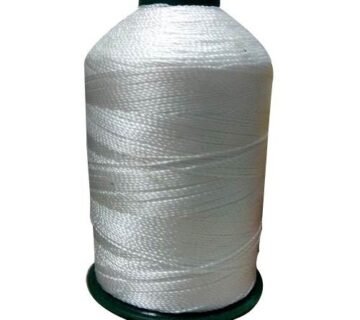
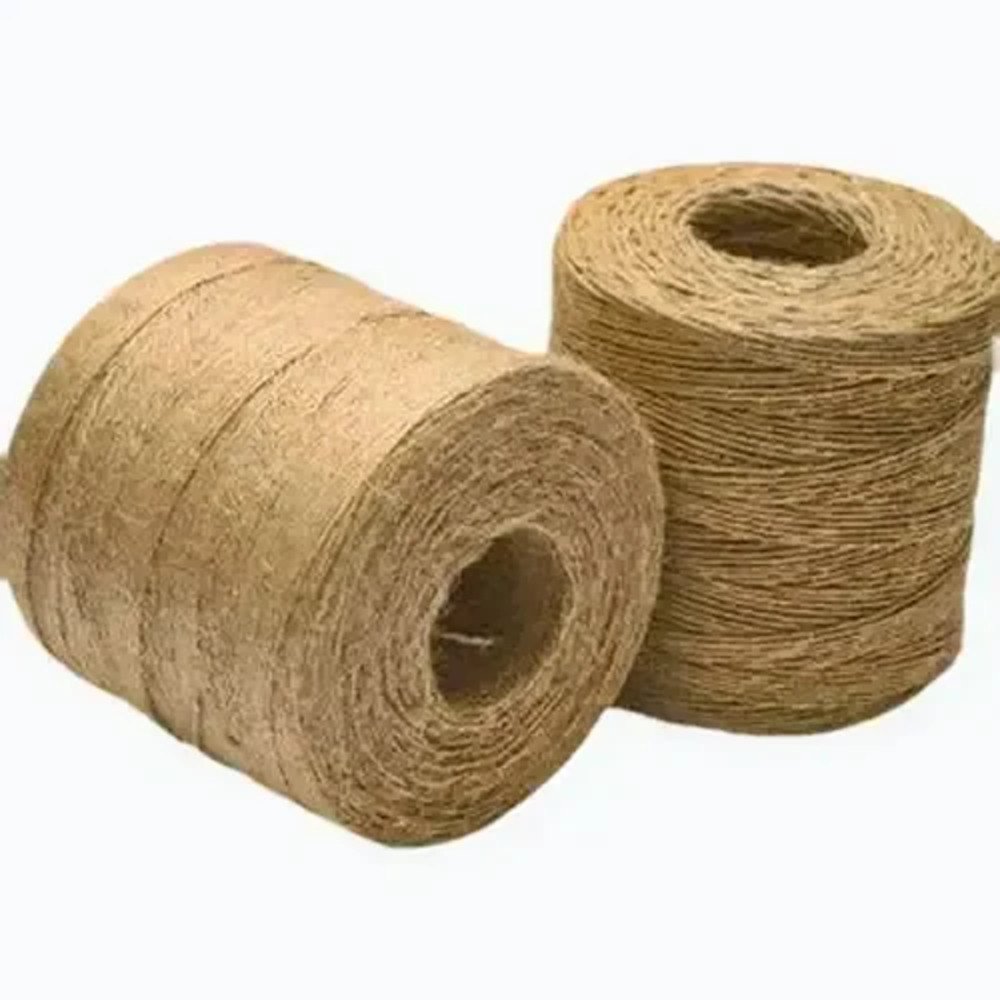
Jazeera International stocks spun polyester and poly-cotton bag closing thread in 10/4, 10/5, 12/4, 12/5 and 20/6 counts, on king spools and cones, from our Dubai warehouse. We supply rice and flour mills, jute bag packers, feed producers and cement baggers across the UAE with same-day delivery in Dubai and Sharjah.
Frequently Asked Questions
A: Heavy spun polyester in 10/4, 10/5 or 12/5 count. Jute is coarse and abrasive, so the extra ply gives the abrasion resistance the fibre demands. Cotton also works and grips jute well, but polyester survives humid storage better and does not rot. Use a size 25 or 26 needle – finer needles deflect off the coarse weave and skip stitches.
A: Standard 12/4 spun polyester for most 25kg and 50kg woven polypropylene rice bags. High-speed pedestal closers run better on 20/6, which passes cooler through the needle and breaks less at speed. Keep the stitch line at least 15mm from the bag edge – closer than that and the PP weave unravels past the stitching under load.
A: Cotton or poly-cotton in 12/4 count. Paper is the one bag material where cotton genuinely outperforms polyester – the hairier fibre grips paper fibres and resists pulling through. Keep the needle sharp: a blunt needle punches rather than pierces and perforates multiwall paper into a tear line.
A: Usually not the thread. Check three things first: needle condition (a burred needle cuts thread on every stitch), needle size against thread count (too small an eye frays the thread), and top tension (almost always set too high after a machine adjustment). If all three are correct and seams still split, move up one ply – 12/4 to 12/5 costs very little per bag and usually solves it.