
What is Ramming Mass and How Is It Used in Induction Furnaces
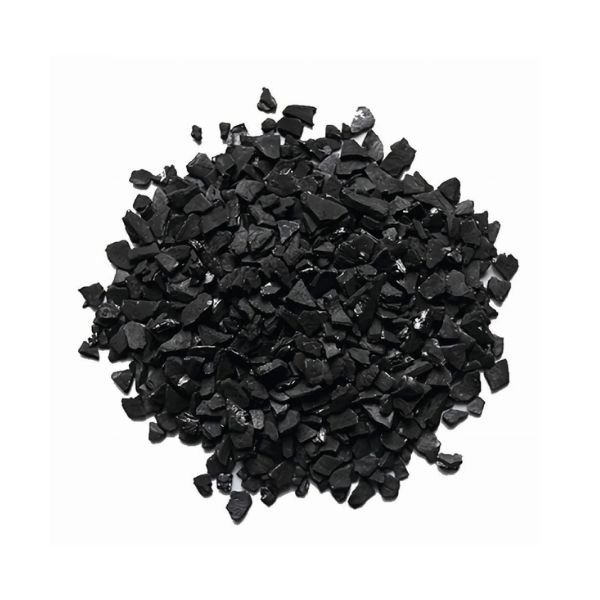
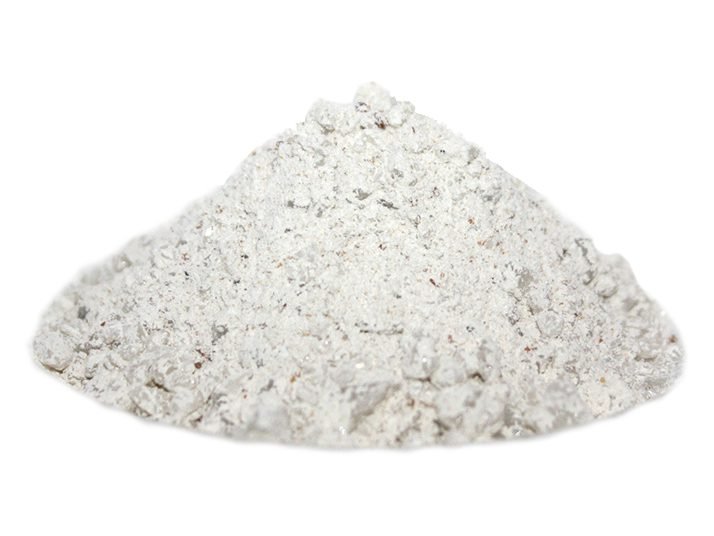
Ramming mass is a dry granular refractory material used to create the lining of induction furnaces and coreless furnaces in steel and foundry operations. Specifically, operators pack the ramming mass between the furnace coil and a mould, then sinter it at high temperature to form a hard, heat-resistant lining that protects the coil from molten metal.
The lining handles direct contact with molten steel, cast iron or non-ferrous metals at temperatures from 1400 to 1700 degrees Celsius. Furthermore, the quality of the ramming mass directly determines furnace lining life — a well-selected, properly applied ramming compound extends lining campaigns from days to weeks, significantly reducing downtime and refractory replacement cost per tonne of metal melted.
Saudi Arabia steel plants and foundries at Jubail Industrial City, Riyadh industrial zones and Jeddah manufacturing facilities consume ramming mass as a routine operational input. Consequently, reliable supply from a UAE-based importer with fast Saudi delivery eliminates the 4 to 6 week lead time from Indian or Chinese manufacturers shipping directly.
Ramming Mass Grades We Supply to Saudi Arabia
We supply ramming mass in the main grades used across Saudi steel and foundry operations.
Acidic Silica Ramming Mass
The most widely used grade for induction furnaces melting steel, cast iron and malleable iron. Specifically, acidic silica ramming mass contains 97 to 99% SiO2 (silicon dioxide) from high-purity quartz, providing excellent thermal stability and resistance to iron oxide attack. The silica transforms through quartz-to-tridymite-to-cristobalite phase changes during sintering — creating a dense, strong lining at operating temperature.
Furthermore, acidic ramming mass suits furnaces running acidic or neutral slag practice. It is the standard grade for all cast iron foundries and most carbon steel melting operations across Saudi industrial facilities.
Basic Magnesia Ramming Mass
For induction furnaces running basic slag practice or melting high-manganese steel grades, basic magnesia ramming mass provides better chemical compatibility than silica. Moreover, magnesia-based linings resist attack from basic fluxes and are preferred for stainless steel and high-alloy steel melting where slag chemistry requires a basic lining.
Saudi specialty steel producers and stainless steel fabricators use basic ramming mass for their coreless induction furnaces. We supply standard dead-burnt magnesia grades with MgO content above 90%.
Neutral Alumina Ramming Mass
Alumina-based ramming mass suits furnaces operating at very high temperatures or processing non-ferrous metals including aluminium, copper and bronze. In particular, alumina grades provide excellent thermal shock resistance and suit both acidic and basic slag environments. Additionally, they offer longer lining life in non-ferrous applications compared to silica grades.
Technical Specifications
| Property | Acidic Silica | Basic Magnesia | Neutral Alumina |
| Main mineral | SiO2 (Quartz) | MgO (Magnesia) | Al2O3 (Alumina) |
| Purity | SiO2 97-99% | MgO above 90% | Al2O3 above 70% |
| Max service temp | 1680 deg C | 1750 deg C | 1800 deg C |
| Grain size (typical) | 0-3mm / 0-5mm / 3-6mm | 0-3mm / 3-6mm | 0-3mm / 3-6mm |
| Application | Cast iron, carbon steel | Basic slag, alloy steel | Non-ferrous, high temp |
| Sintering method | Dry sintering with mould | Dry sintering with mould | Dry sintering with mould |
| Standard packing | 25kg bags / 50kg bags | 25kg bags | 25kg bags |
| Origin | India (Rajasthan / Andhra Pradesh) | India / China | India / China |
Certificate of Analysis and technical data sheet provided with every shipment. Grain size analysis available on request.
Ramming Mass Applications Across Saudi Arabia
Jubail Industrial City — Steel and Foundry
Jubail Industrial City hosts the largest concentration of steel production capacity in Saudi Arabia. Hadeed (Saudi Iron and Steel Company), a wholly owned subsidiary of SABIC, operates electric arc furnaces and continuous casting facilities at Jubail. Furthermore, numerous downstream foundries and fabricators in the Jubail industrial area run coreless induction furnaces for casting operations — all of which require ramming mass for ongoing lining maintenance.
Riyadh Industrial Zones — Foundry and Manufacturing
Riyadh hosts a significant foundry and light manufacturing sector serving the construction, automotive and machinery industries. In particular, cast iron foundries producing municipal infrastructure components — manholes, gratings, valve bodies — run induction furnaces continuously and replace furnace linings on a regular cycle.
Jeddah and Western Saudi Arabia
Jeddah industrial zone and Yanbu Industrial City host metal fabrication and manufacturing facilities that use induction melting for specialty casting. Moreover, non-ferrous foundries producing aluminium and copper components for the construction and marine sectors use alumina-grade ramming mass for their furnace linings.
Ramming Mass Price in Saudi Arabia
Ramming mass pricing in Saudi Arabia depends on grade (acidic silica, basic magnesia or alumina), purity, grain size specification and quantity. Specifically, acidic silica at standard 0-3mm or 0-5mm grain is the lowest-cost grade. Basic magnesia and alumina grades command higher pricing due to raw material cost.
We supply at wholesale pricing for Saudi Arabia buyers with better rates for container load quantities. Road freight from Dubai to Riyadh takes 3 to 4 working days. Sea freight to Jubail or Jeddah takes 5 to 8 working days. Call or WhatsApp +971 56 158 9555 for a same-day price quote.
Delivery — Ramming Mass Across Saudi Arabia
| Destination | Route | Lead Time |
| Riyadh | Road freight via UAE-Saudi border | 3-4 working days |
| Jubail Industrial City | Sea freight from Dubai | 6-8 working days |
| Jeddah | Sea to Jeddah Islamic Port | 5-7 working days |
| Dammam / Khobar | Sea to King Abdulaziz Port / road | 4-5 days road / 6-8 days sea |
| Yanbu Industrial City | Sea to Yanbu Industrial Port | 5-7 working days |
| Container orders | All Saudi ports | Best rates – contact for FCL pricing |
| Documentation | All shipments | CoA, technical data sheet, packing list, customs invoice |
We handle all export documentation from Dubai. Saudi customs clearance requires a local freight forwarder.